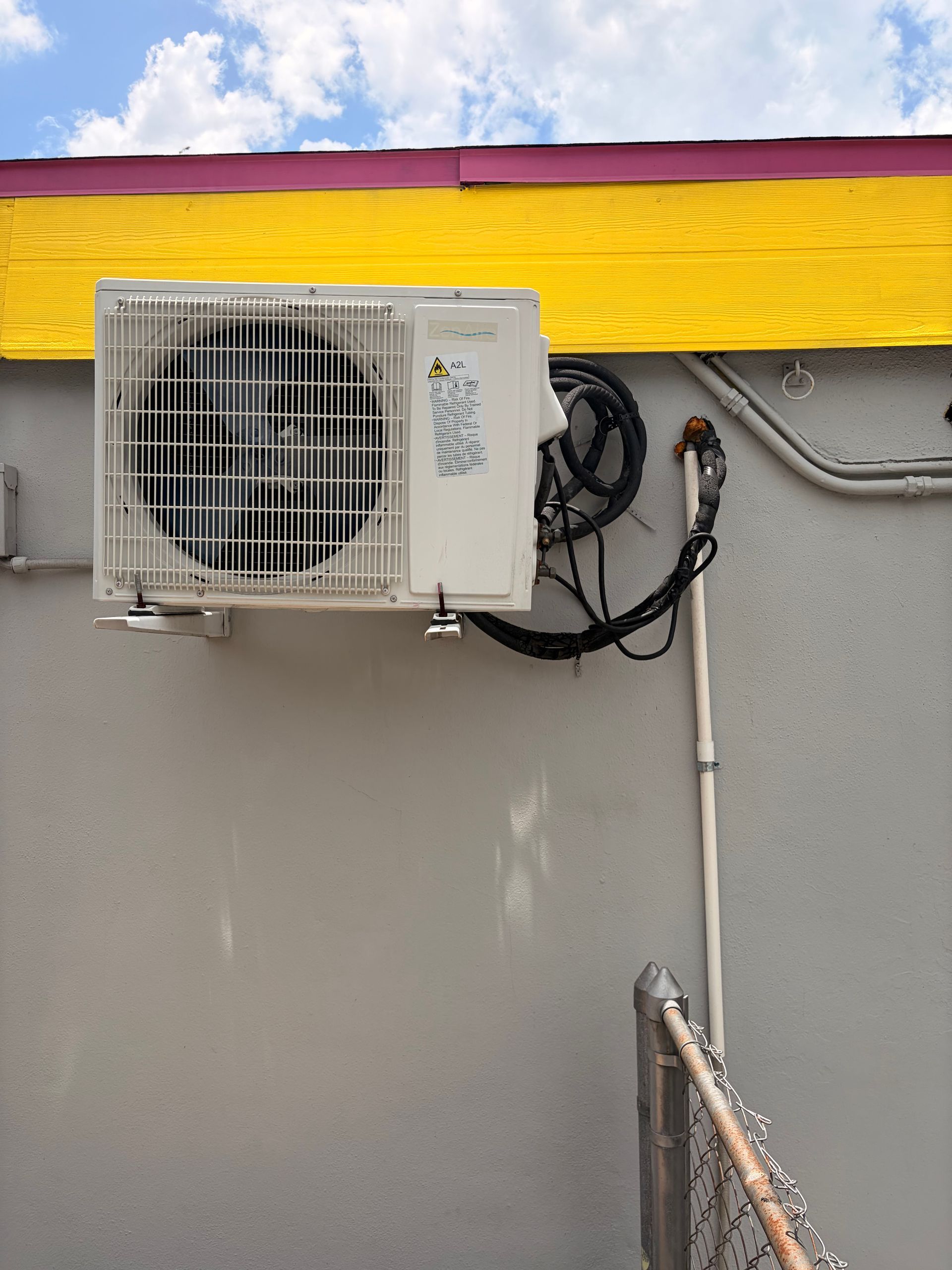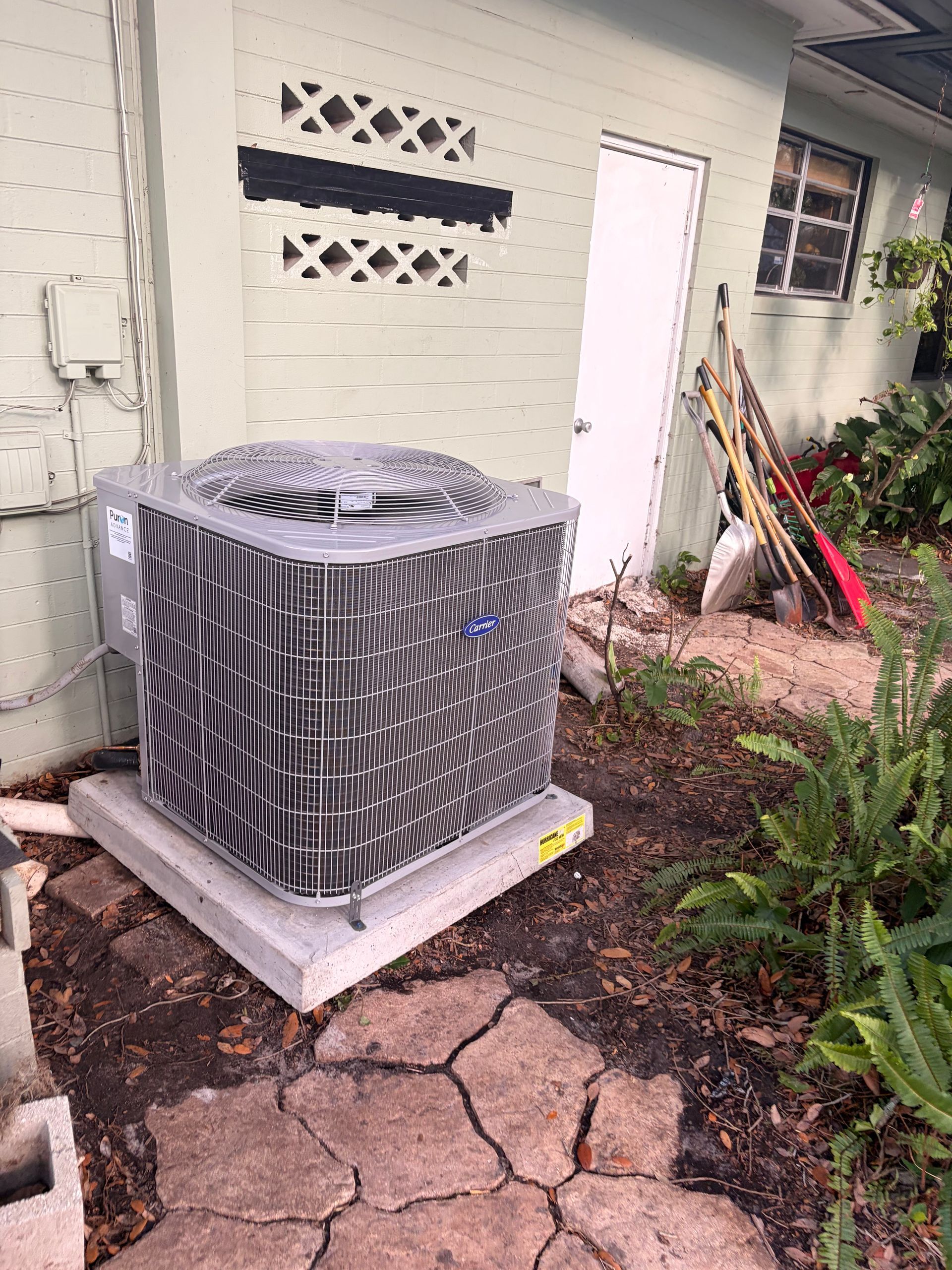
Finding Where Your HVAC System Loses Efficiency
Energy Audit in Orlando for homeowners noticing high utility bills or uneven temperatures
Central Florida's long cooling season and high humidity levels place constant demands on HVAC systems, and inefficiencies that waste energy often go unnoticed until monthly utility costs rise significantly above expected levels. Smile Heating and Air Conditioning Pros conducts energy audits that evaluate airflow patterns, insulation effectiveness, duct integrity, and system performance to identify specific opportunities for reducing energy waste and improving indoor comfort. The evaluation process involves measuring temperature differentials across rooms, testing duct systems for leaks, inspecting attic insulation depth and condition, and analyzing how your HVAC equipment performs under typical operating loads.
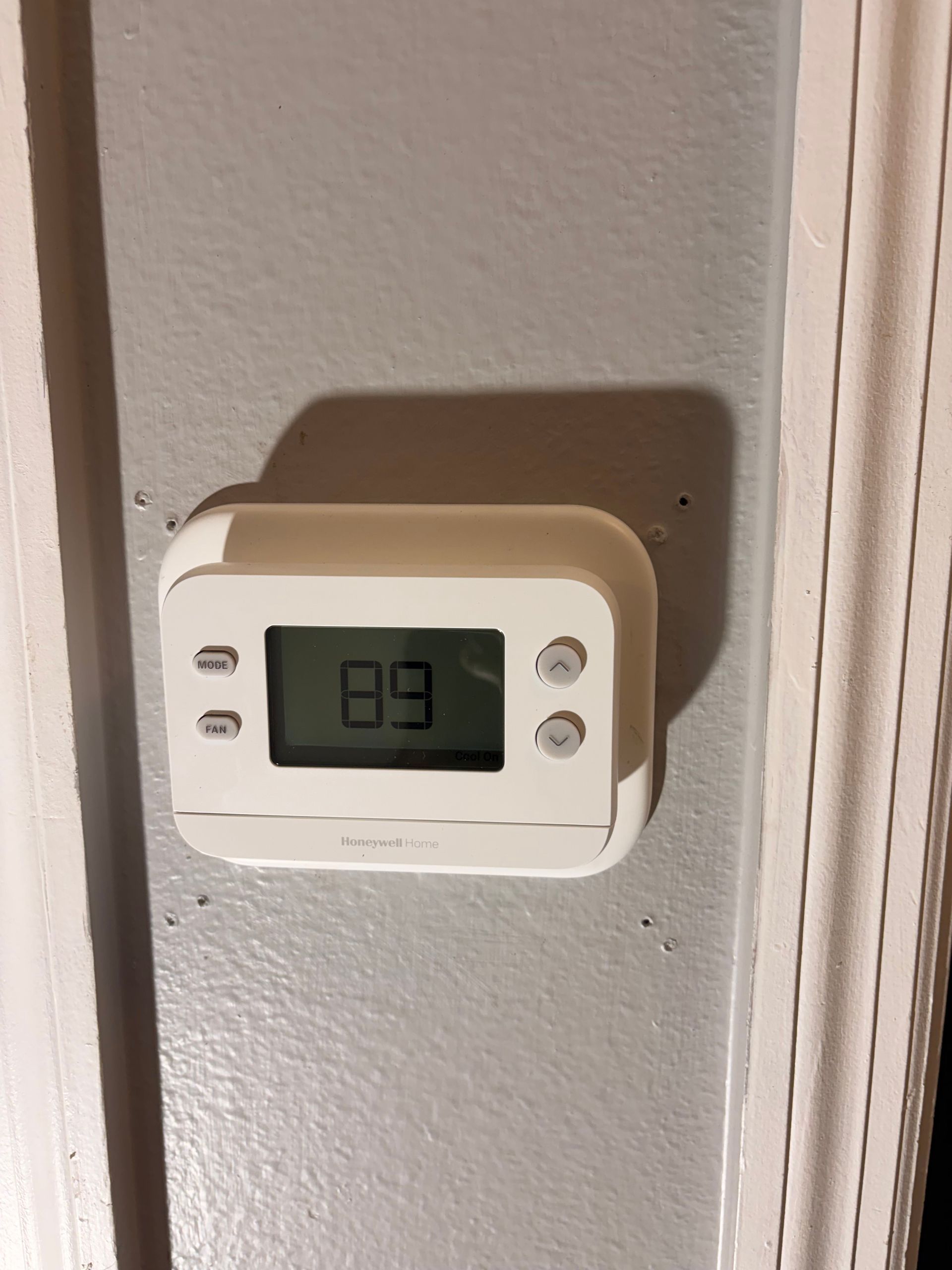
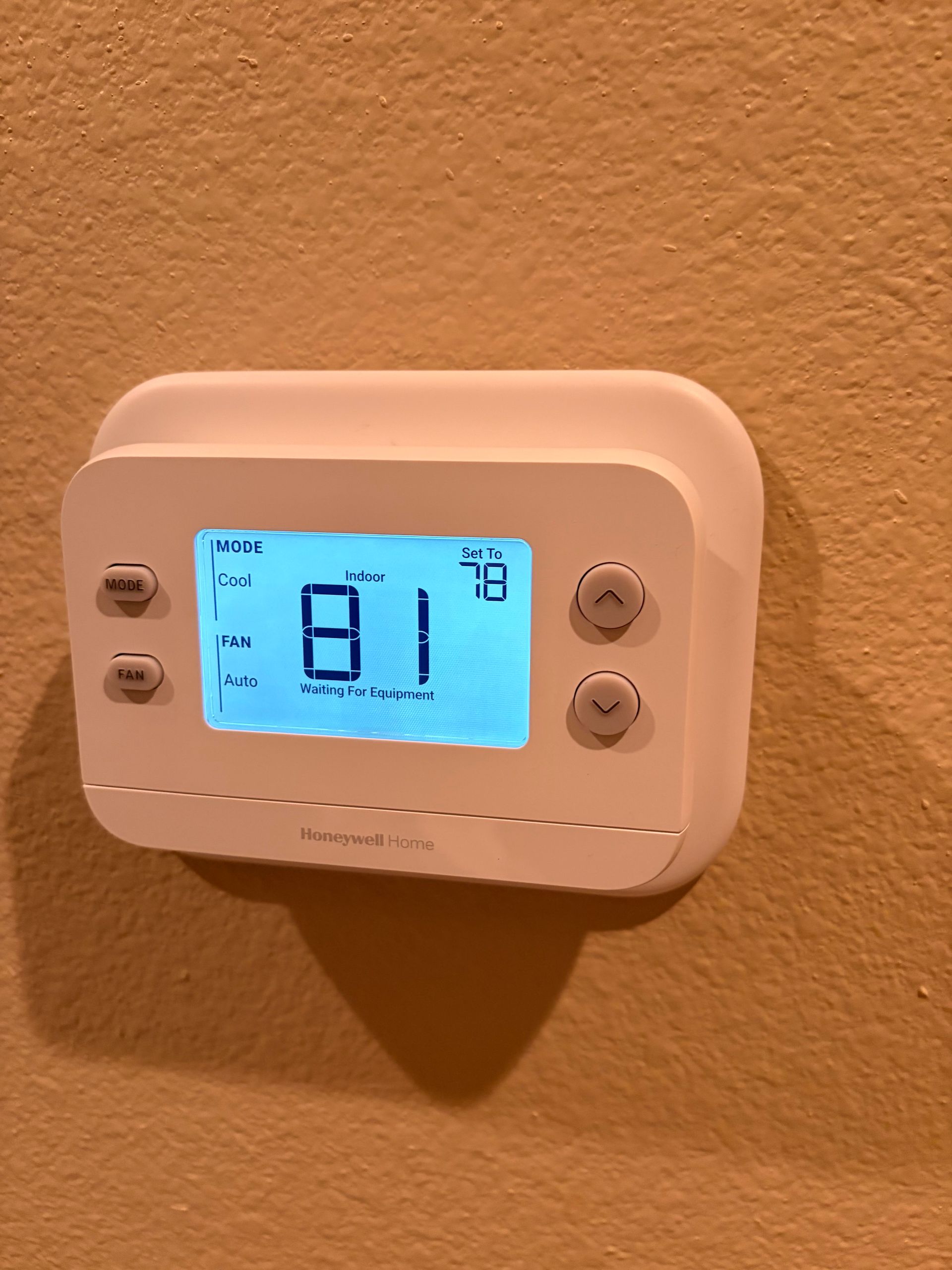
Audits reveal whether short-cycling caused by oversized equipment wastes electricity, whether inadequate return airflow forces your system to work harder, or whether duct leaks in unconditioned attic spaces lose cooled air before it reaches living areas. Testing also identifies whether thermostat placement in direct sunlight or near heat sources causes inaccurate temperature readings that trigger unnecessary runtime.
Schedule an energy audit to receive detailed findings about where your system loses efficiency and what improvements offer measurable returns.
Evaluation results include specific measurements of insulation R-values, duct leakage rates, airflow volumes at supply registers, and system operating pressures, providing a clear picture of where performance falls short of optimal levels. Recommendations prioritize improvements based on cost-effectiveness, addressing high-impact issues like sealing major duct leaks or adding attic insulation before suggesting equipment upgrades that require larger investments.
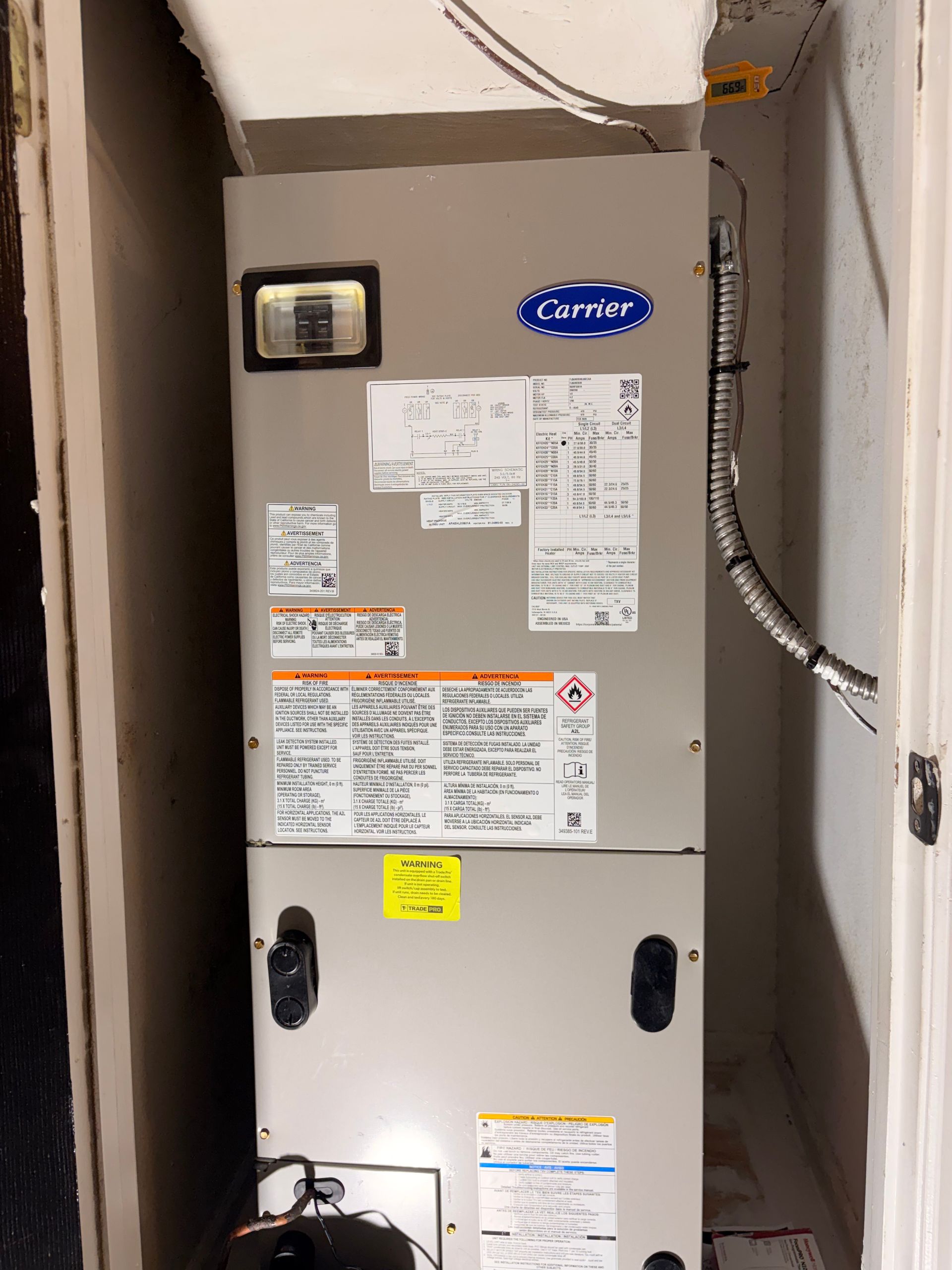
Once you act on audit recommendations, you typically notice more consistent temperatures between rooms, reduced runtime to reach thermostat settings, and lower monthly utility bills that reflect decreased energy consumption. Some findings address immediate waste, such as air handler closets that pull in hot attic air through gaps around ductwork, while others identify long-term efficiency gains like upgrading to variable-speed blower motors that reduce electricity use during partial-load operation.
Experienced guidance based on property conditions ensures that recommendations align with realistic budgets and prioritize improvements that deliver noticeable comfort and cost benefits. Audits do not automatically lead to equipment replacement; many homes achieve significant efficiency gains through sealing, insulation upgrades, and minor system adjustments that cost far less than new installations.
Answers to Frequent Energy Audit Questions
Energy audits provide homeowners with transparent information about how their HVAC systems perform and where practical improvements can reduce waste without requiring complete system overhauls.
What does an energy audit measure?
Audits assess duct leakage using blower door or pressure pan testing, measure insulation depth and coverage in attics and walls, record temperature and humidity levels in occupied spaces, and evaluate HVAC system operating efficiency through airflow and refrigerant charge testing.
How long does an energy audit take?
Most residential audits require two to three hours to complete, depending on home size, attic accessibility, and the complexity of the HVAC system being evaluated.
Why do some rooms stay warmer than others in Orlando homes?
Insufficient return airflow, duct leaks in supply branches serving distant rooms, or inadequate insulation in exterior walls often cause temperature imbalances that force HVAC systems to overcool some areas while leaving others uncomfortably warm.
When should I consider an energy audit?
Unexplained increases in utility bills, noticeable temperature differences between rooms, excessive dust accumulation, or HVAC systems that run constantly without maintaining comfort all indicate that an audit could identify performance issues worth addressing.
What improvements typically offer the best return?
Sealing duct leaks, adding attic insulation to meet current R-30 or higher standards for Central Florida, and addressing air handler cabinet leaks usually provide the most noticeable comfort and efficiency improvements per dollar spent.
Smile Heating and Air Conditioning Pros delivers honest assessments that focus on practical solutions rather than unnecessary upgrades. Contact us to arrange an audit and receive a detailed report of findings along with prioritized recommendations for improving your home's energy performance.