Reducing Heat Transfer Through Your Attic
Blown-in Insulation in Orlando for homes with insufficient attic coverage
Attic temperatures in Central Florida regularly exceed 130 degrees during summer months, and inadequate insulation allows that heat to radiate downward into living spaces, forcing air conditioning systems to run longer cycles and consume more electricity. Blown-in insulation installed by Smile Heating and Air Conditioning Pros increases thermal resistance between your attic and conditioned spaces, reducing heat transfer and supporting more efficient HVAC performance across Orlando and nearby communities. Recommendations account for existing insulation depth, material type, and whether settled or compressed areas require additional coverage to meet current R-30 standards appropriate for the region's climate.
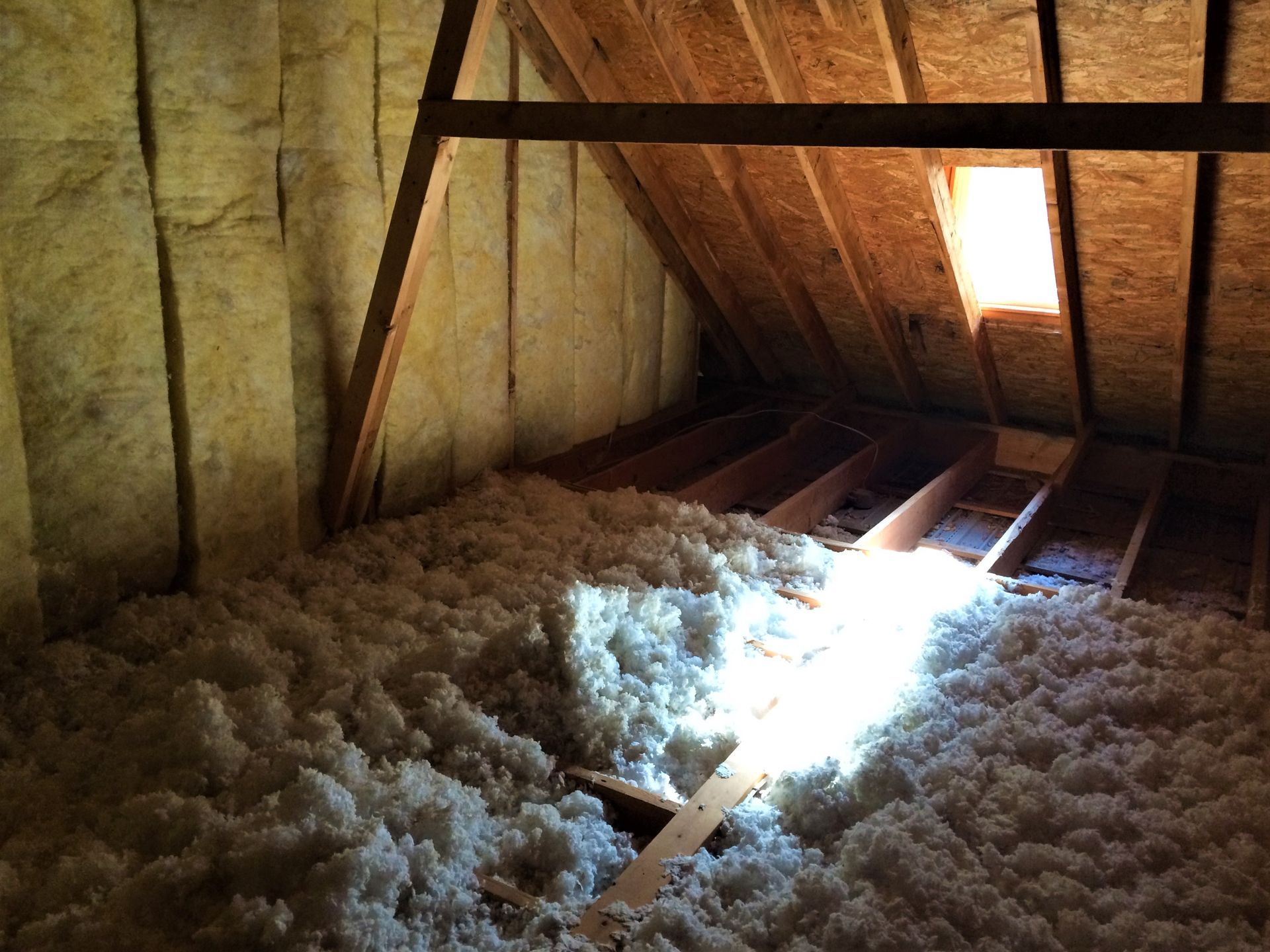
Installation involves distributing cellulose or fiberglass insulation evenly across attic floor joists using pneumatic blowers, ensuring consistent depth without gaps around penetrations, ductwork, or recessed lighting fixtures. Proper technique includes maintaining clearance around exhaust vents and electrical junction boxes to prevent fire hazards and installing baffles at soffit vents to preserve attic ventilation airflow.
Request an insulation estimate to determine how much additional coverage your attic requires.
Insulation work begins with measuring existing coverage depth, identifying areas where insulation has settled or shifted away from coverage zones, and calculating the additional material volume needed to reach target R-values uniformly across the attic floor. Installation crews seal attic bypasses around plumbing stacks, electrical wiring penetrations, and recessed light fixtures before blowing new insulation to prevent conditioned air from escaping into unconditioned attic spaces.
After installation is complete, you typically notice rooms staying cooler during afternoon hours when solar heat load peaks, air conditioning systems reaching thermostat settings more quickly, and reduced temperature variation between the ceiling level and floor level in two-story homes. Quality workmanship ensures that insulation depth remains consistent across the entire attic footprint, with no thin spots near eaves or around HVAC ductwork where heat transfer would otherwise continue.
Improved year-round comfort results from insulation's ability to slow heat transfer in both directions, keeping homes cooler in summer and retaining warmth during Florida's brief winter cold snaps. Attention to detail includes photographing before and after conditions, documenting installed R-values, and verifying that no insulation blocks soffit vents or contacts metal flue pipes where fire risk exists.
Questions Property Owners Usually Ask
Adding blown-in insulation improves energy efficiency and comfort, and understanding how the material performs and what installation involves helps you evaluate whether your home would benefit from additional coverage.
What R-value should attic insulation reach in Orlando?
Current building standards recommend R-30 to R-38 for Central Florida attics, which typically translates to insulation depths between ten and fourteen inches depending on whether cellulose or fiberglass material is used.
How long does blown-in insulation installation take?
Most residential attics can be insulated in three to five hours, including preparation work to seal bypasses and install baffles, though larger homes or attics with complex roof lines may require additional time.
Why does insulation settle over time?
Fiberglass and cellulose materials compress under their own weight and vibration from foot traffic or HVAC equipment operation, losing up to fifteen percent of their initial depth over the first few years after installation.
When should I add insulation rather than replace existing material?
Adding blown-in insulation over existing coverage works well when current material remains dry and uncompressed, but wet or moldy insulation from roof leaks requires removal before new material is installed to prevent ongoing moisture problems.
What preparation does insulation work require?
Homeowners should remove stored items from attic floors to allow access, and installation crews will seal air leaks around penetrations and install vent baffles before blowing insulation to ensure proper coverage and airflow.
Smile Heating and Air Conditioning Pros evaluates your attic's current insulation condition and calculates the coverage depth needed to meet performance standards. Call to discuss your home's insulation needs and receive a detailed installation quote.