Reliable Climate Control for Business Operations
Commercial Rooftop Unit Installation in Orlando for properties requiring efficient, centralized cooling systems
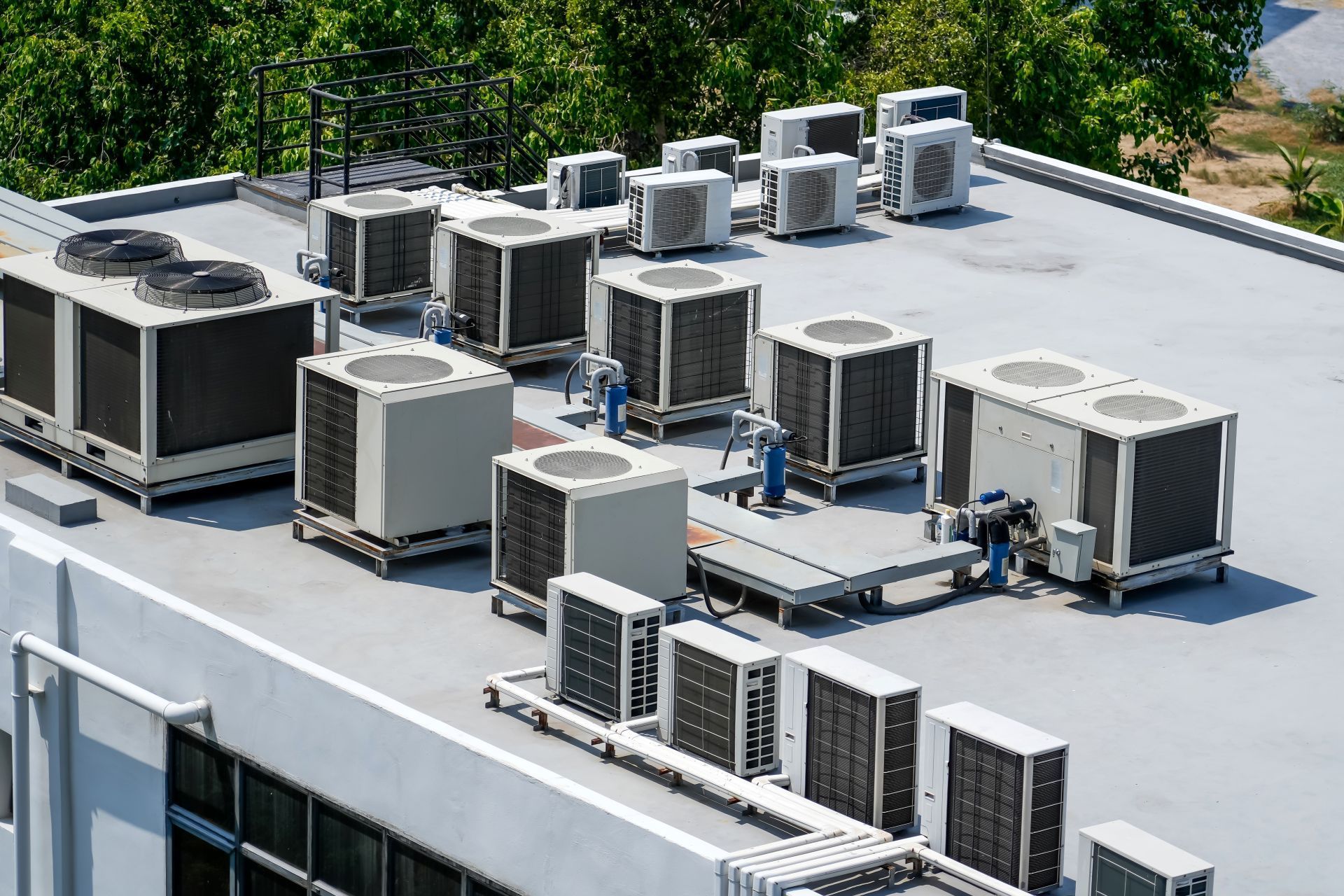
Rooftop HVAC units fail in Florida heat after years of constant operation, leaving businesses without climate control during peak hours. Smile Heating and Air Conditioning Pros handles commercial rooftop unit installation in Orlando, replacing aging systems or installing new equipment on retail buildings, office complexes, and industrial facilities. You'll notice immediate improvements in cooling consistency and energy consumption once a properly sized unit begins operation.
Commercial rooftop unit installation involves removing existing equipment, preparing structural supports to handle the new unit's weight and vibration, positioning the replacement system, and connecting refrigerant lines, electrical supply, and ductwork. The process addresses cooling failures caused by compressor wear, refrigerant leaks, or undersized equipment that cannot keep up with your building's thermal load.
Schedule an on-site evaluation to review your building's cooling requirements and rooftop access conditions.
Installation begins with verifying your roof structure can support the new unit's weight, particularly important in Florida where hurricane-rated anchoring systems must secure equipment against high winds. The crew positions the unit over existing curb mounts or installs new structural supports, ensuring level placement that prevents refrigerant migration and compressor damage. Electrical connections are sized to match the unit's startup amperage, and refrigerant lines are brazed and pressure-tested before charging the system.
After installation completes, your building maintains consistent temperatures across all zones without the hot spots or humidity issues caused by failing equipment. Smile Heating and Air Conditioning Pros calibrates thermostat controls and airflow settings so the unit cycles efficiently rather than running continuously. You'll see lower utility bills compared to an oversized or poorly maintained system that wastes energy during startup and shutdown.
The installation includes startup testing, refrigerant charge verification, and airflow balancing, but does not cover ductwork modifications or interior air handler replacements unless specified. Units are selected based on your building's square footage, insulation levels, and occupancy patterns to avoid undersizing that leads to premature failure or oversizing that causes short cycling.
What Business Owners Usually Ask
Rooftop unit installations often raise questions about equipment selection, timing, and building-specific requirements. These answers address common concerns about the installation process.
What determines the right tonnage for a commercial rooftop unit?
The calculation accounts for your building's square footage, ceiling height, insulation R-value, window area, and internal heat load from equipment and occupancy. Undersized units run constantly without reaching setpoint temperatures, while oversized units cycle too frequently and fail to dehumidify properly in Orlando's humid climate.
How long does rooftop unit installation take?
Most installations require one to two days depending on crane access, electrical upgrades, and whether structural reinforcement is needed. The building remains operational during installation, though cooling is interrupted while connections are completed and the system is tested.
When should businesses schedule rooftop unit replacement?
Plan installations during cooler months between November and March when downtime has less impact on employee comfort and business operations. Units showing refrigerant leaks, compressor noise, or inconsistent cooling should be replaced before total failure occurs during summer heat.
What maintenance does a new rooftop unit require?
You'll need quarterly filter changes, annual coil cleaning, and refrigerant level checks to maintain efficiency. Orlando's humidity accelerates corrosion on outdoor components, making routine inspections important for catching drain line clogs and electrical connection corrosion before they cause breakdowns.
How does installation differ for multi-story buildings?
Crane placement becomes critical for lifting units onto roofs without blocking business access or damaging landscaping. Smile Heating and Air Conditioning Pros coordinates delivery timing and secures permits for crane operation in commercial districts where street access requires advance planning.
Smile Heating and Air Conditioning Pros provides detailed equipment specifications and installation timelines based on your building's structural conditions. Request a property assessment to determine the appropriate unit size and installation approach for your facility.